Shrimp Pots, Cast Nets, and Dip Nets Serve Different Fisheries
Compare deep-water potting with cast- and dip-net methods without mixing the gear rules or skills of one region into another.
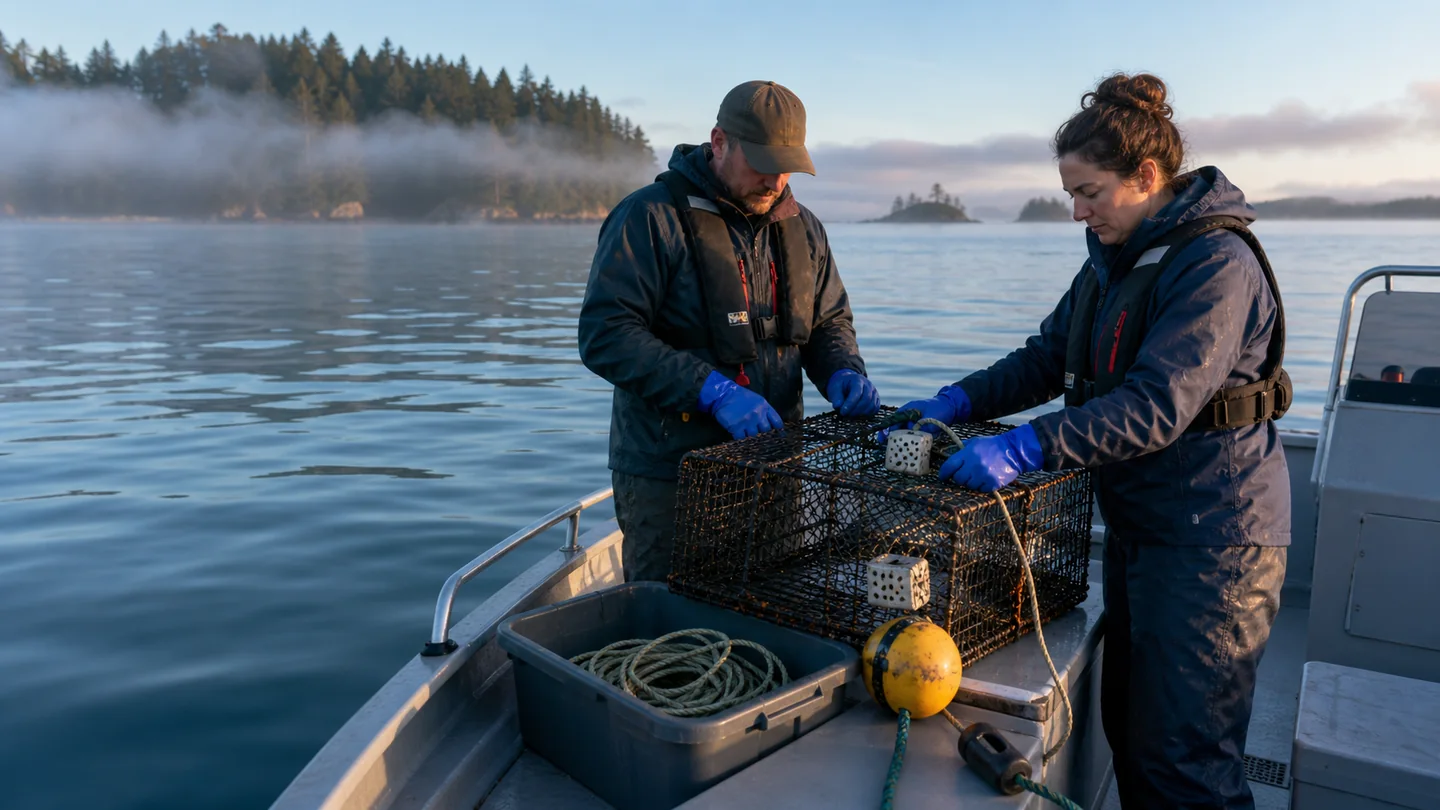
What We Can Honestly Compare
This page compares documented designs, rules, and operating demands. We did not test individual products, so there are no invented field results or brand rankings here.
Methods, Not Substitutes
Decision
Choose the method named in the official local fishery, then learn it from local agency material or an experienced legal operator. For potting, size the complete retrieval system to the boat and depth. For nets, rent or borrow a manageable lawful net and practice on land.
There is no national shrimping starter kit
WDFW's gear rules describe pots, buoys, lines, and escape systems for Washington. Florida FWC lists multiple recreational net methods. South Carolina's baiting fishery brings its own permit, poles, bait, net, season, and teamwork. Combining those lists would produce a large kit that may be illegal and useless in all three places.
Start with the agency page for the specific water. Write down the method definition, mesh or dimension, area, time, season, license, limit, bycatch treatment, lighting, gear marking, and reporting before opening a retailer page.
Price the whole method
A pot's sticker price omits harness, bait container, legal escape mechanism, hundreds of feet of suitable line in some fisheries, markers, weights, gloves, puller, mounting, navigation, and the boat capable of recovering it. A cast net's price omits instruction, repeated practice, repair, storage, and safe boat positioning.
Used gear can be practical only after inspection and legal verification. Measure mesh and frame, inspect every line section and swivel, confirm markings, and replace unknown degradable components. Saltwater corrosion and ultraviolet damage do not become harmless because the item was inexpensive.
Buy for the crew's repeatable workload
Choose a pot weight and retrieval method the actual crew can manage in the maximum planned depth and current. Choose a cast net the actual thrower can open safely several times. Select a dip or push net that can be controlled from the actual dock, bank, or water depth without dangerous leaning or wading.
TideAhead did not conduct catch-rate or durability tests on these categories. The comparison organizes published agency methods and operational demands; a local instructor, tackle shop, or experienced legal shrimper should help match dimensions and rigging after the official rule is settled.
Original Sources
TideAhead wrote this page as an original practical summary. The factual guidance comes from the named government agencies, instructors, and experienced authors below. Follow the official agency links for current rules and complete safety instructions.
- Statewide Shellfish and Seaweed Gear Rules
Washington Department of Fish and Wildlife · Current Washington requirements for shrimp and crab pots, buoys, line, escape mechanisms, and gear limits.
- Recreational Shrimping Regulations
Florida Fish and Wildlife Conservation Commission · Florida-specific shrimp methods and current rules for cast, dip, push, frame, and other permitted nets.
- Shrimp Baiting in South Carolina
South Carolina Department of Natural Resources · Pete Laurie's first-person account of learning a pole-and-cast-net fishery, including boat positioning, teamwork, and the casting learning curve; laws are South Carolina-specific.
- A Boater's Guide to the Federal Requirements for Recreational Boats
U.S. Coast Guard · Federal carriage requirements and safety guidance for recreational boats.