Choose Gear By The Job It Must Do
A useful kit begins with the access, method, and people using it. These guides compare documented designs and working demands, cite the rules behind safety-critical choices, and say plainly where local expertise still matters.
Equipment · Skills · Lessons
Build The Kit Around The Activity
Built around the decisions people make before, during, and after a day on the water—with regional rules kept in their proper place.
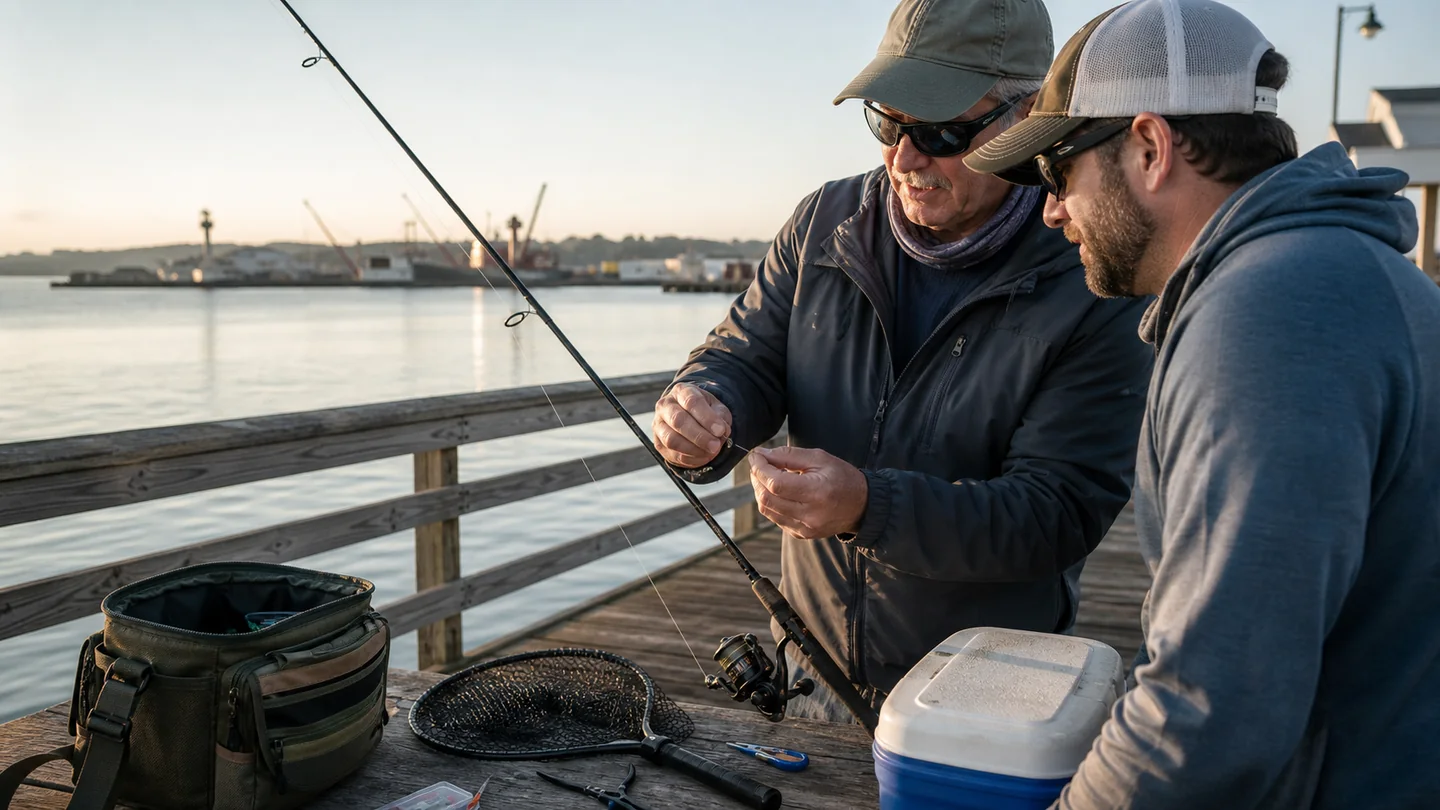
Three sensible coastal starter systems, with the landing, safety, line-control, and cleanup gear each access style adds to the rod and reel.
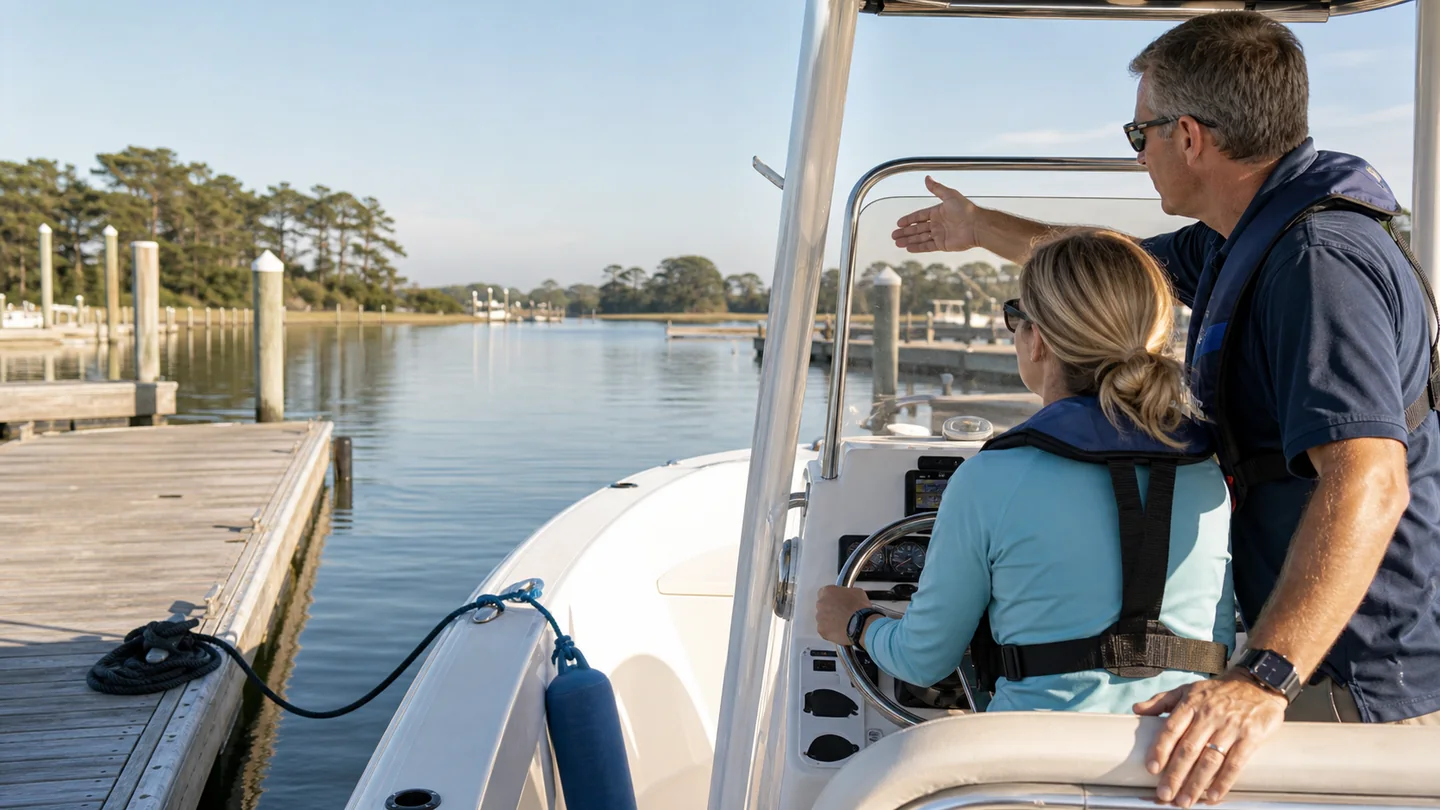
Separate legal carriage gear, daily boat-handling equipment, and route-specific communications so an attractive accessory never hides a missing essential.
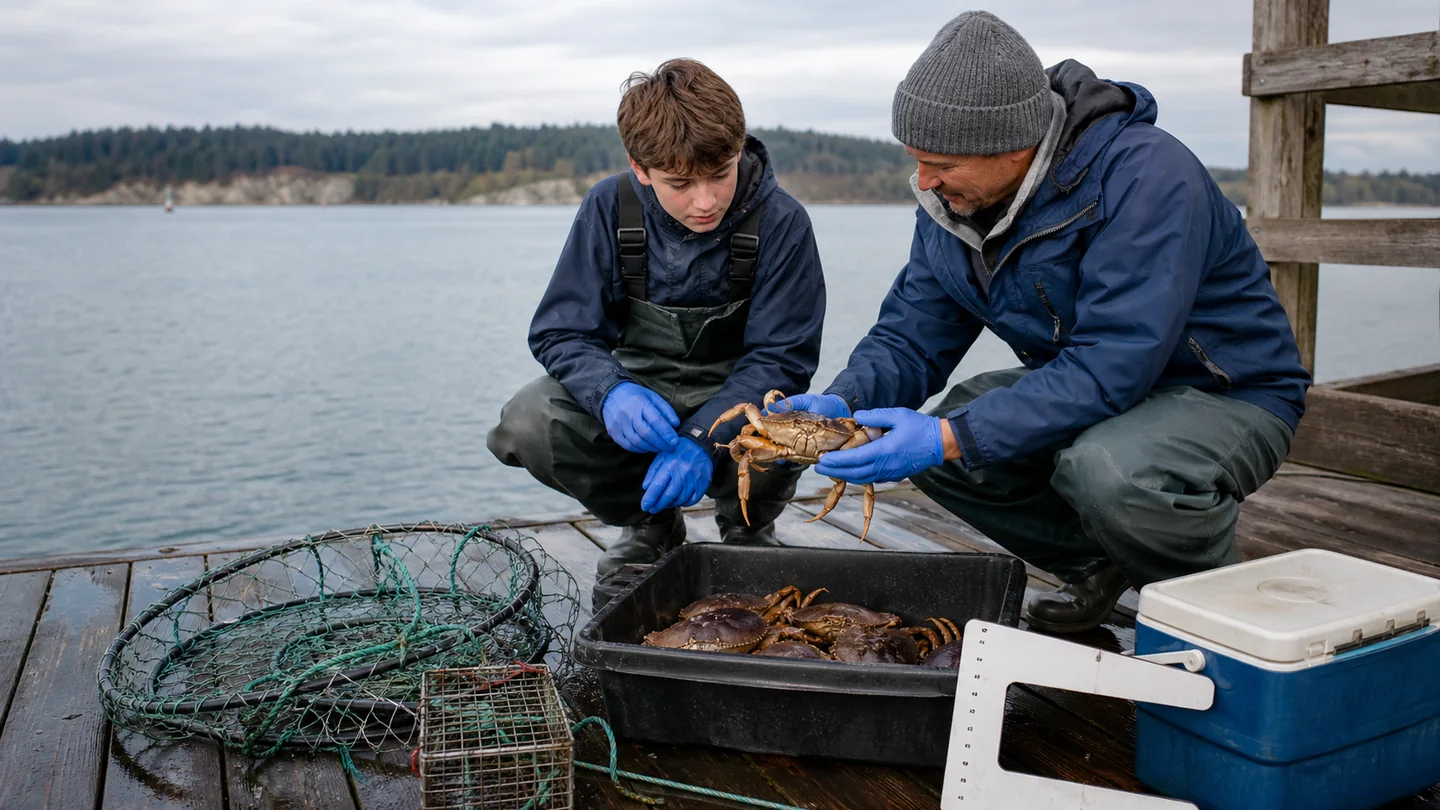
Compare three common recreational crabbing tools by access, attention, soak style, line handling, and region-specific gear rules.

Compare surfboard paths by stability, wave-catching, control, collision consequences, local fit, and the skills each design asks a learner to bring.
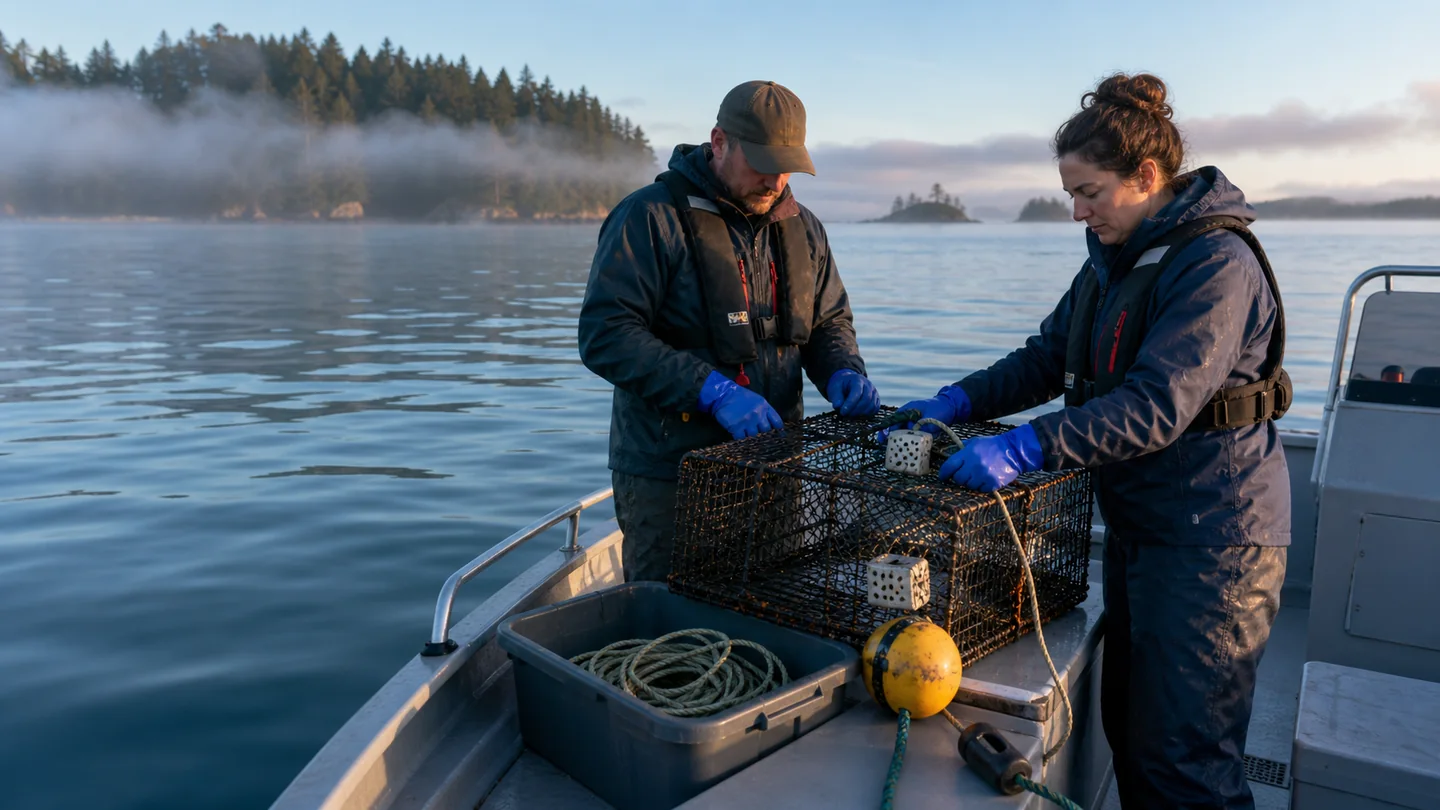
Compare deep-water potting with cast- and dip-net methods without mixing the gear rules or skills of one region into another.
Safety, Communications, And Planning Comparisons
Compare inherent-foam and inflatable life-jacket designs by serviceability, wear conditions, maintenance, and Coast Guard label requirements.
Why a throwable device is not a substitute for a properly fitted wearable life jacket.
Compare portability, antenna arrangement, vessel power, DSC identity, and emergency access using Coast Guard radio guidance.
Compare three communication paths without assuming one device covers every coastal route and emergency.
Compare built-in positioning with a connected chartplotter or GPS for Digital Selective Calling distress alerts.
A NOAA-source comparison of vessel-associated EPIRBs and person-associated PLBs for 406 MHz distress alerting.
Compare approved flares, smoke, flags, and electronic night signals by day/night role, service condition, and storage.
Compare the release rationale for circle hooks with conventional J-style hooks while keeping fishery rules and rigging in control.
Compare retention and removal considerations using NOAA Fisheries release guidance and current fishery rules.
Why NOAA recommends non-stainless steel when a hook may remain in a fish or other animal.
Compare landing-net materials for fish intended to be released, using NOAA Fisheries handling guidance.
Compare non-invasive release at depth with invasive venting, using NOAA Fisheries guidance rather than anecdote.
Compare three official coastal-data tools by the question each one can—and cannot—answer.
Why a forecast describes expected conditions over an area and time while a buoy reports recent measurements at one station.