TideAhead
36 source-backed articles

Good Days On The Water Start Before The Water

Start with the gear that earns its place, the skills worth practicing, and the small decisions that keep a day from unraveling. Each guide separates national safety advice from local fishing rules and links to the people and agencies behind the lesson.

Equipment · Skills · Lessons

Built around the decisions people make before, during, and after a day on the water—with regional rules kept in their proper place.
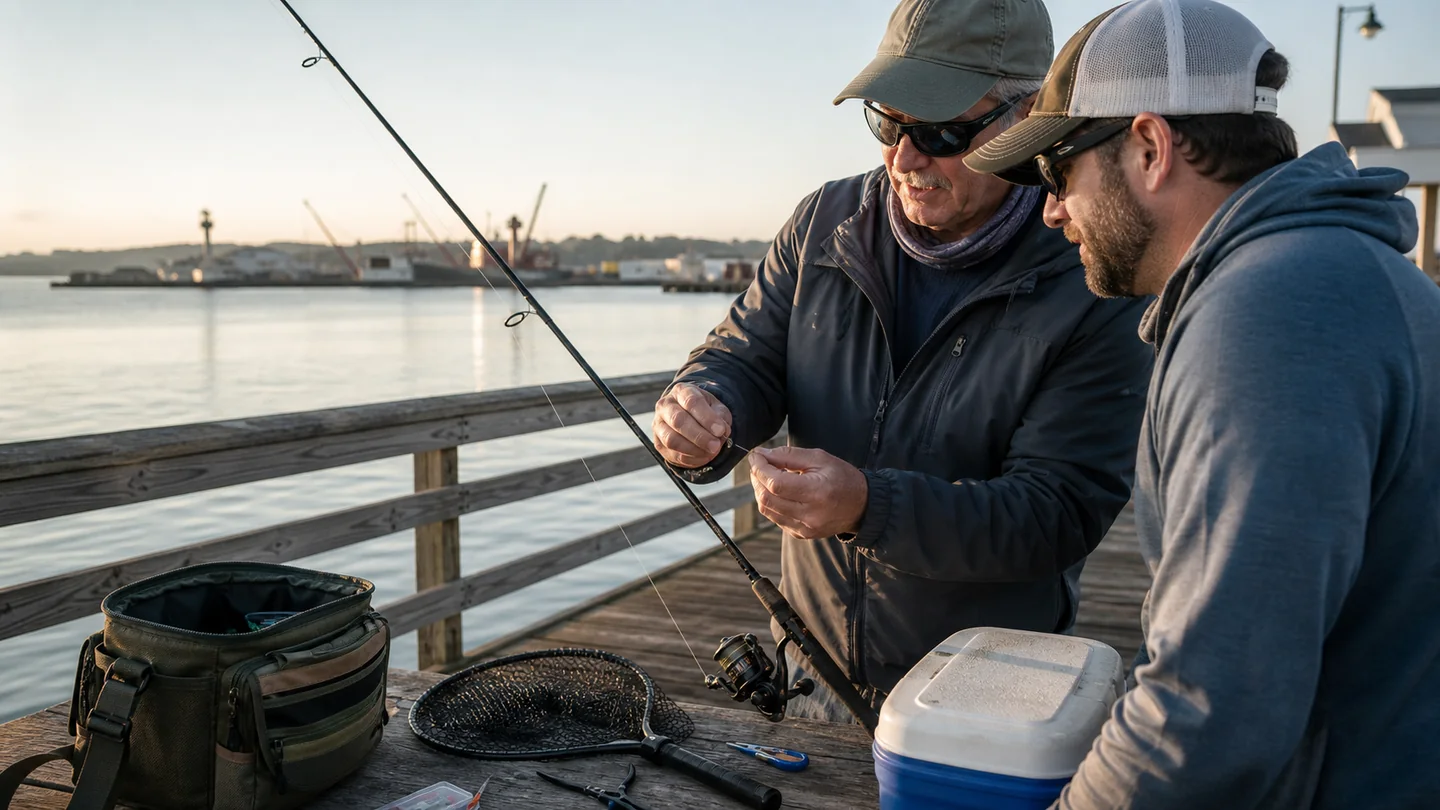
Two anglers preparing tackle together on a public saltwater pier

A dock-to-cleanup field guide to choosing a spot, packing a small tackle kit, making a safe cast, landing fish cleanly, and learning from the water.
6 cited sourcesRead Guide
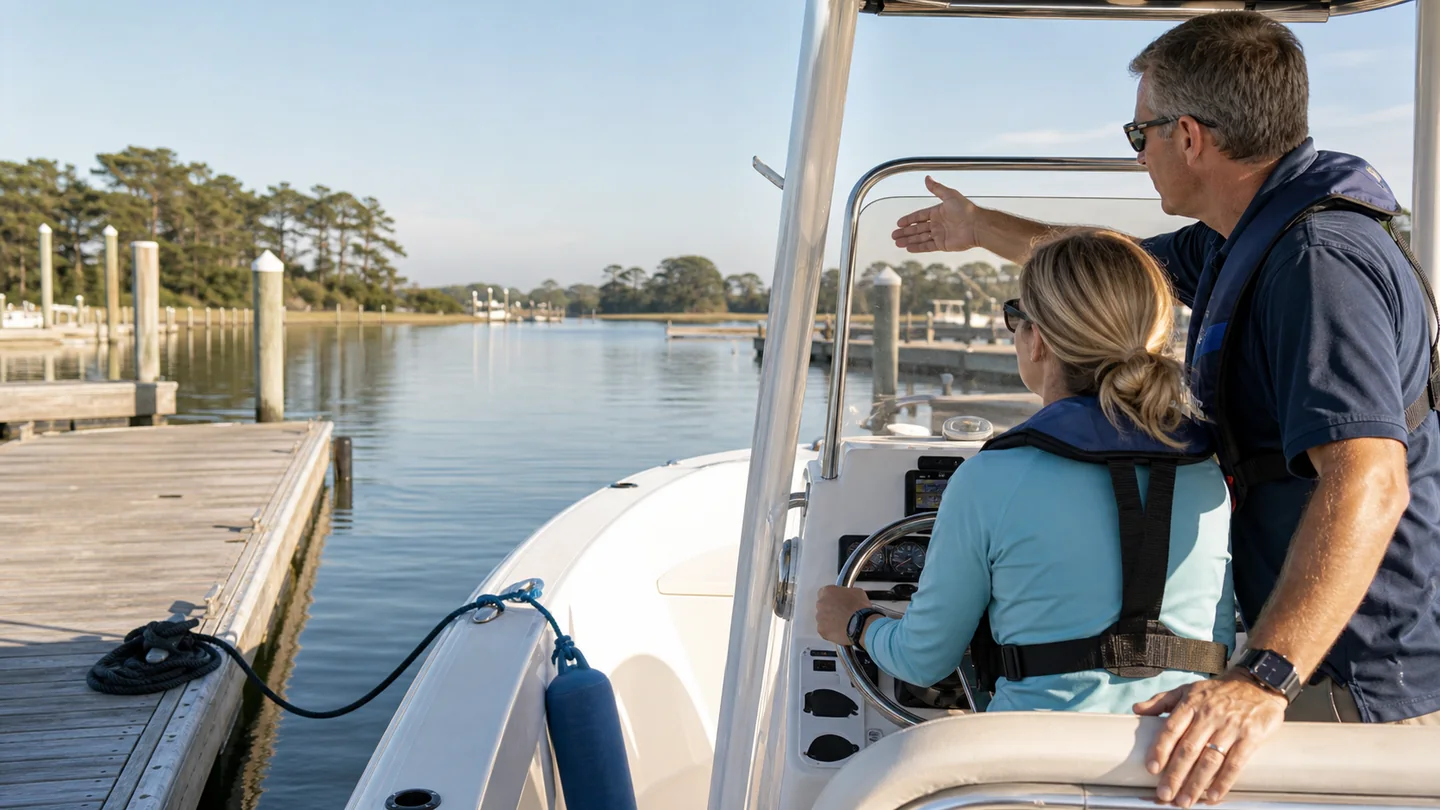
A new boat operator practicing at the helm with an experienced instructor

A practical first-day boating lesson: prepare the crew, control the boat at idle speed, work lines and fenders, read wind and current, and finish with a useful debrief.
8 cited sourcesRead Guide
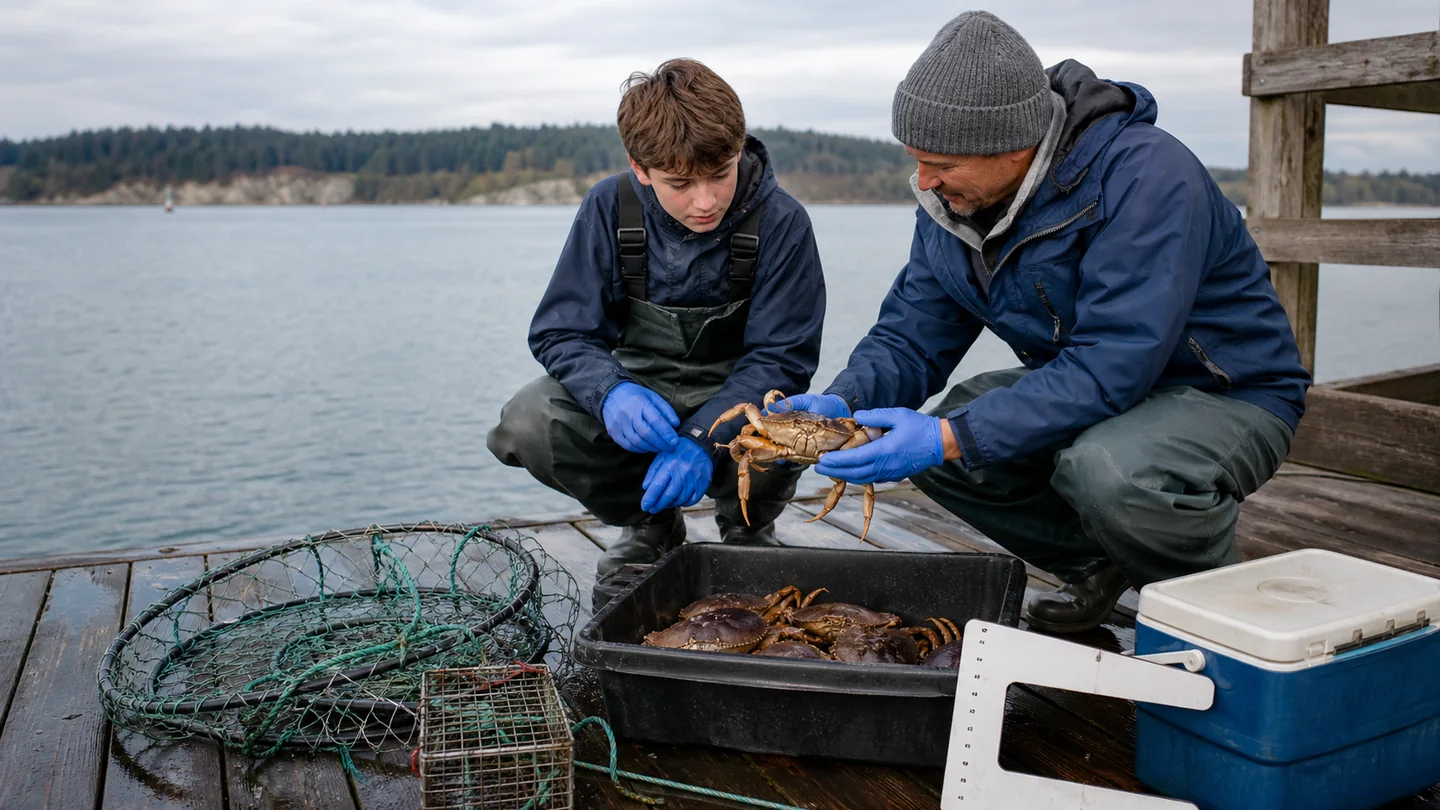
An adult showing a young crabber how to prepare gear on a public dock

How to choose a lawful ring, trap, or pot; rig it without creating a navigation hazard; retrieve it cleanly; and sort crab with the right gauge ready.
5 cited sourcesRead Guide
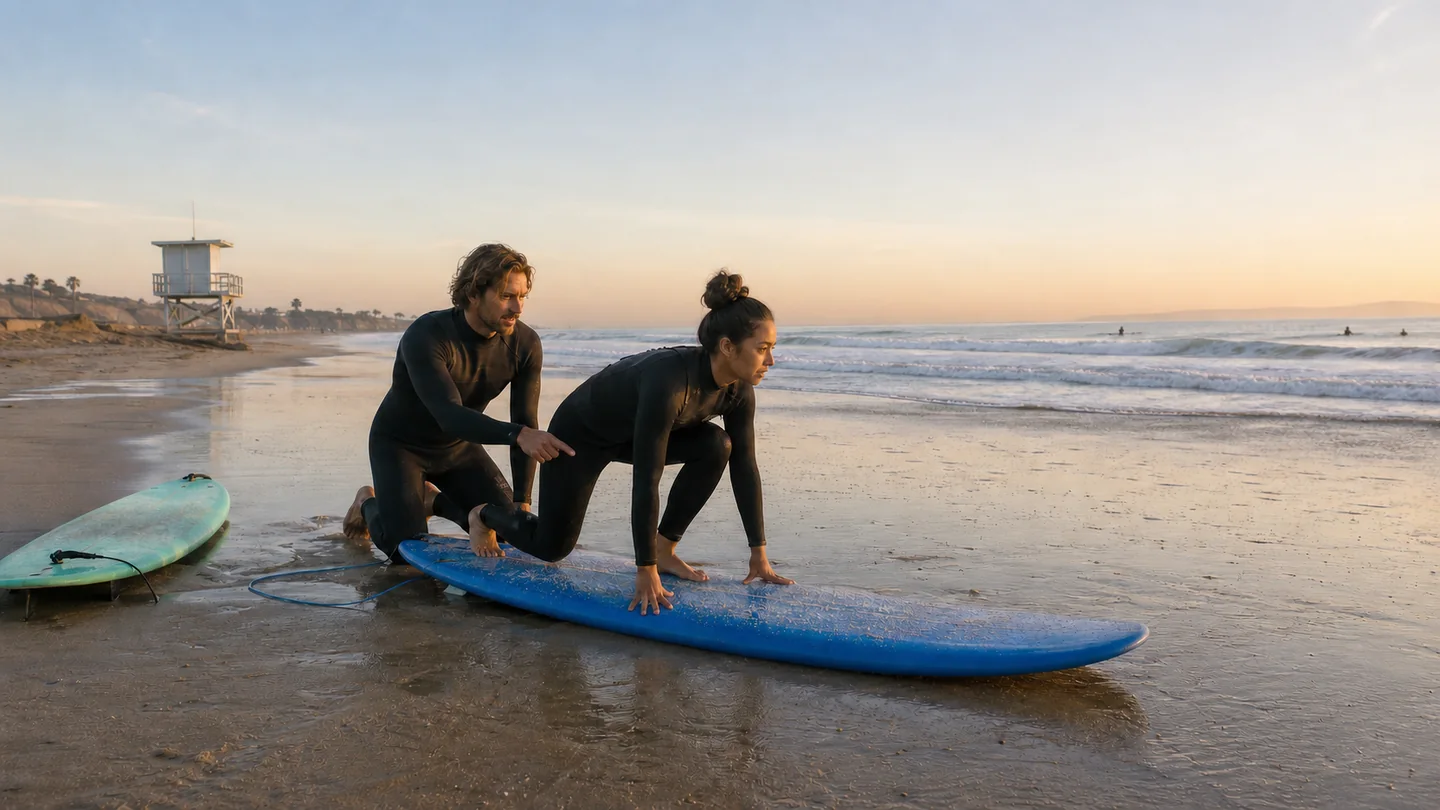
A beginner practicing a surfboard pop-up with an instructor on the beach

A lesson-shaped guide to choosing a beach, renting sensible equipment, reading the lineup, practicing whitewater rides, handling wipeouts, and learning surf etiquette.
5 cited sourcesRead Guide
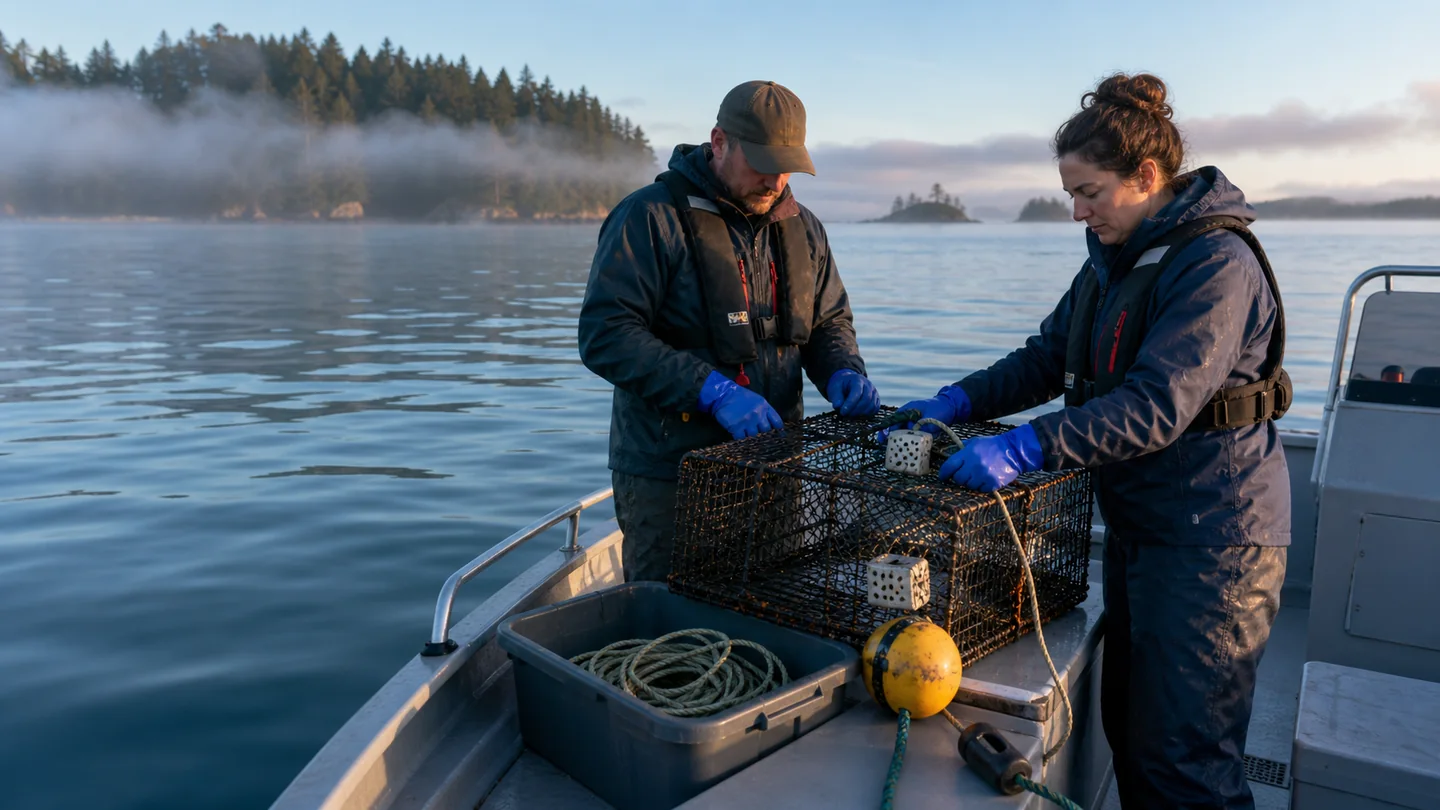
Two recreational shrimpers preparing a pot, line, and buoy aboard a small boat

A regional field guide to pot shrimping from a boat and cast-, dip-, or push-net shrimping near shore, with the equipment and teamwork each method demands.

5 cited sourcesRead Guide

Tide, Weather, Safety, And Technique References

A practical way to use NOAA high and low tide predictions when planning a pier, beach, jetty, or bank fishing trip.

3 cited sourcesRead

Why tide height, current direction, and slack water are different observations—and why anglers should not substitute one for another.

3 cited sourcesRead

How to judge a nearby NOAA tide station, recognize subordinate predictions, and avoid false precision at a custom fishing location.

2 cited sourcesRead

What NOAA means by spring and neap tides, and how to use the larger pattern without turning it into a fishing guarantee.

2 cited sourcesRead

A shore-and-small-boat workflow for reading forecast wind direction, speed, gusts, and active marine headlines.

2 cited sourcesRead

Why a marine wave-height number is not the whole sea state, and how period changes the meaning of the forecast.

3 cited sourcesRead

How to put National Weather Service marine headlines ahead of a fishing score or a preferred tide window.

3 cited sourcesRead

A source-backed checklist for hooks, landing nets, dehooking tools, and tackle that can shorten fish handling.

2 cited sourcesRead

When circle hooks may reduce deep hooking, what they do not solve, and why current fishery rules still come first.

2 cited sourcesRead

Why barb design and hook material solve different catch-and-release problems and must be checked against local rules.

2 cited sourcesRead

How net material and tool placement can reduce handling when a fish will be returned to the water.

1 cited sourceRead

A short-photo workflow built around NOAA Fisheries guidance on wet hands, body support, and minimal air exposure.

1 cited sourceRead

Signs NOAA Fisheries tells anglers to look for in deep-caught fish and why prompt release at depth matters.

1 cited sourceRead

How release weights, baskets, and descender devices fit into NOAA Fisheries guidance for barotrauma.

1 cited sourceRead

A repeatable way to verify licenses, jurisdiction, species rules, seasons, and emergency closures from official sources.

2 cited sourcesRead

Practical steps from NOAA's Marine Debris Program for keeping used line and fishing gear out of coastal water.

1 cited sourceRead

A practical order for checking National Weather Service marine headlines, wind, waves, visibility, and tide before leaving the dock.

3 cited sourcesRead

What to give a reliable person ashore so responders can understand the boat, people, route, and expected return.

2 cited sourcesRead

A U.S. Coast Guard-based checklist for approval, intended activity, size, fit, serviceability, and access.

2 cited sourcesRead

What to check on the label, cylinder, inflator, bladder, and status indicators before counting an inflatable as serviceable.

2 cited sourcesRead

The Coast Guard distress-call sequence and the information to keep beside a marine VHF radio.

2 cited sourcesRead

Why a marine radio needs the correct MMSI and position source for a useful Digital Selective Calling distress alert.

3 cited sourcesRead

How NOAA describes maritime EPIRBs and personal locator beacons, plus the registration step both require.

3 cited sourcesRead

A guide to day, night, pyrotechnic, and non-pyrotechnic visual distress signals based on Coast Guard requirements.

2 cited sourcesRead

A dockside inspection workflow for required navigation-light configuration, visibility, power, and backups.

2 cited sourcesRead

Two separate dockside checks: current federal fire-protection carriage rules and the boat's capacity information.

3 cited sourcesRead

Life-jacket, reboarding, signaling, and float-plan preparation for boating where sudden immersion is possible.

3 cited sourcesRead

Where exhaust can collect, why swim platforms are dangerous with engines running, and what the Coast Guard recommends.

2 cited sourcesRead

A spill-prevention routine based on EPA clean-boating responsibilities and official recreational-boater guidance.

2 cited sourcesRead

How to identify the sanitation device, plan pumpouts, and check EPA and state restrictions before a cruise.

2 cited sourcesRead

How to use a nearby NOAA prediction without pretending it measures ramp depth, slope, condition, or trailer clearance.

2 cited sourcesRead